Iran-Israel Conflict Disrupts Global Trade?
Soaring Costs, Shipping Chaos, and Accelerated Supply Chain Shifts
Dateline: June 25, 2025
The escalating military conflict between Iran and Israel is delivering multi-pronged shocks to global trade networks, driving energy price volatility, rerouting critical shipping lanes, and forcing rapid supply chain realignments. Industry analysts warn the turmoil poses acute challenges for export-reliant economies like China.
Energy Markets in Turmoil
Crude oil prices experienced their sharpest single-day surge in months, with Brent futures jumping over 8% to breach $85/barrel. Markets fear further spikes to $130/barrel if hostilities threaten the Strait of Hormuz – a chokepoint for 20% of global oil supply.
China, the world’s largest crude importer, faces an immediate $1.5 billion monthly increase in energy import costs. Simultaneously, its industrial exports to Iran – accounting for 16.9% of China’s glass and machinery shipments – are crippled by port disruptions, with customs clearance efficiency plunging over 30%.
Shipping Industry Under Siege
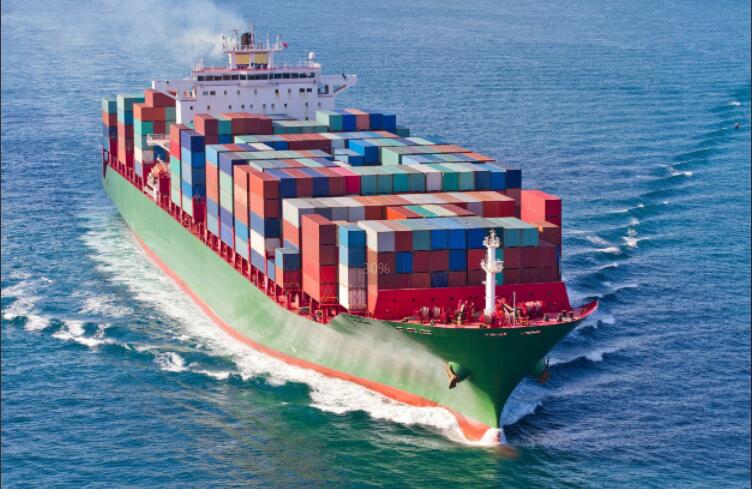
Maritime trade faces severe bottlenecks as carriers abandon the Red Sea-Suez Canal route. Diverted vessels now add 10-14 days to Asia-Europe voyages via Africa’s Cape of Good Hope, increasing fuel consumption by 30%.
Cost impacts are cascading:
l Daily charter rates for VLCC tankers doubled to $40,000
l War risk premiums for containers spiked to 0.5%-1% of cargo value
l Singaporean, Chinese, and South African ports (Durban’s throughput +15%) scramble to handle rerouted cargo
Supply Chain Fragmentation Accelerates
"Businesses face a triple threat: sanctions spillover, settlement risks, and broken logistics," noted Geneva-based trade risk consultancy Siren Analytics. Western sanctions targeting Iranian trade may extend to third-party hubs like the UAE, heightening dollar transaction vulnerabilities.
Manufacturers reliant on Middle Eastern intermediates – particularly electronics firms facing 20-30% longer component lead times – are urgently diversifying sourcing to Southeast Asia and Latin America. This accelerates the restructuring of global production networks.
Outlook
With no near-term de-escalation in sight, the conflict compounds existing pressures on global supply chains. Export powerhouses like China confront mounting operational hurdles as energy inflation, shipping instability, and compliance risks converge. Industry groups urge contingency planning for prolonged disruption across energy, logistics, and manufacturing sectors.
Contact: Janet Zhang
whatsapp:
 Janet Zhang
Phone: +86 17700625486
Tel: 86-371-63370468
Email: info@brilliantchemi.com
Add: No.15 Yinping Road,Zhengzhou,China