What's the Best Choice for Your Kitchen: MSG or Chicken Seasoning?
In everyday cooking, some households use monosodium glutamate (MSG) to enhance umami, while others prefer chicken bouillon powder or granules. So, which one is truly better? In fact, their main active ingredient is the same: both are based on sodium glutamate, which provides the savory taste. The key difference lies in the fact that chicken bouillon typically contains a lower percentage of sodium glutamate than pure MSG. It is a composite seasoning that adds additional ingredients like chicken or chicken bone powder, spices, disodium inosinate, disodium guanylate, chicken flavor enhancers, and starch to the MSG base, resulting in a more complex and robust flavor profile.
From a nutritional perspective, while chicken bouillon does contain significantly higher amounts of protein and fat compared to pure MSG, the actual amount used per dish is so small that the difference in intake is negligible.
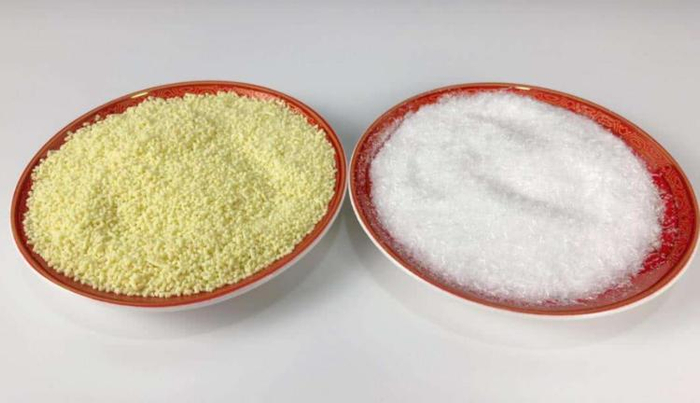
So, should you choose chicken bouillon or MSG?
The choice primarily depends on the ingredients being cooked and personal taste preferences:
For ingredients with prominent natural flavors (e.g., meat, fish), using MSG is recommended. It provides a pure umami boost without masking the food's original character. Using chicken bouillon might interfere with its distinct taste due to its complex flavor profile.
For dishes with milder flavors (e.g., fillings, clear soups), chicken bouillon can be considered. Its rich, composite aroma can effectively enhance the overall taste of the dish.
For acidic dishes (e.g., sweet and sour, vinegar-braised dishes), it is better not to use MSG. Sodium glutamate dissolves poorly in acidic environments, diminishing its flavor-enhancing effect.
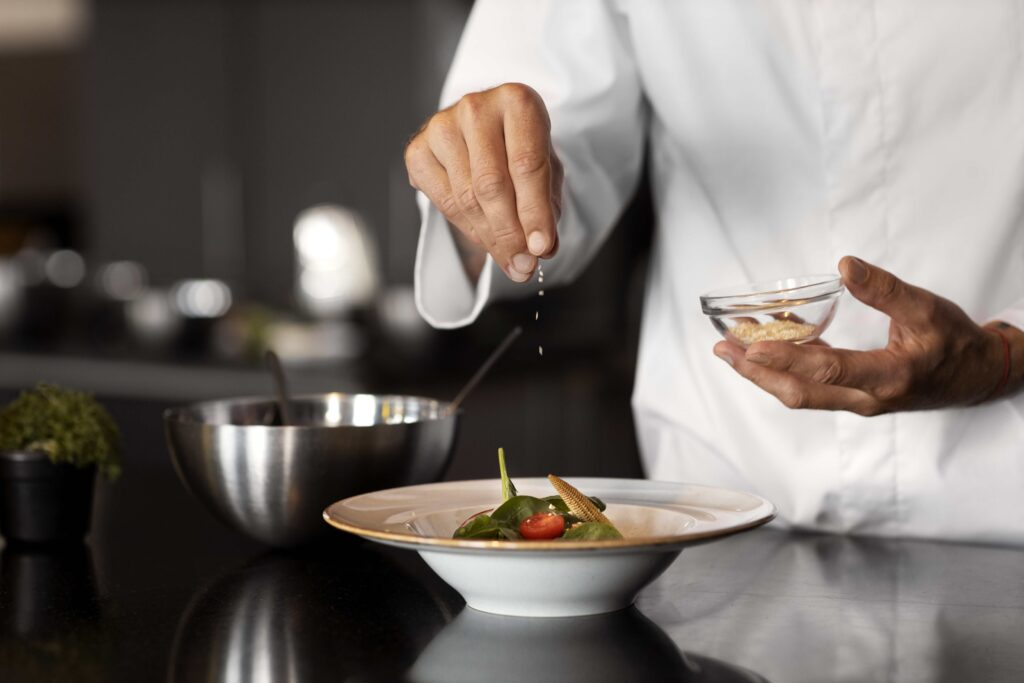
How to use them in a healthier way?
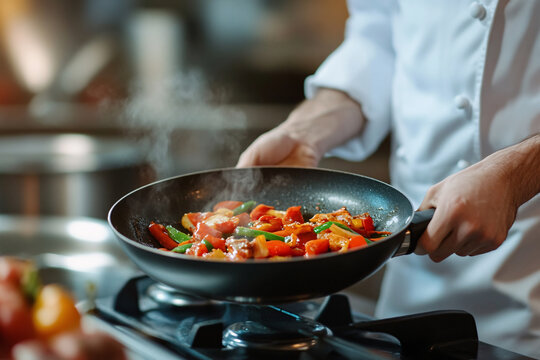
Add at the end of cooking: Sodium glutamate provides the most potent umami at 70°C–90°C. Prolonged high heat can convert it into sodium pyroglutamate, which loses its flavor-enhancing properties. Therefore, it's best to add either seasoning just before removing the dish from the heat.
Control the amount: The acceptable daily intake for glutamic acid is 30 mg per kilogram of body weight. For a 60 kg adult, this translates to no more than 1.8 grams per day, roughly equivalent to one-third of a standard bottle cap.
Mind the sodium content: Chicken bouillon usually contains added salt. When using it, remember to reduce the amount of added salt accordingly to avoid excessive sodium intake.
Common misconceptions clarified:
Chicken bouillon is not simply an "upgraded version" of MSG: They belong to different categories—MSG is a single flavor enhancer, while chicken bouillon is a composite seasoning.
Chicken bouillon is not more nutritious than MSG: Despite having more ingredients, the minuscule quantities used make any perceived nutritional advantage irrelevant.
In summary, MSG is ideal for highlighting the original flavor of ingredients, while chicken bouillon can add richer, more complex notes to milder dishes. As long as you pay attention to the timing of addition and control the amount used, both are safe and viable seasoning choices.
Contact: Janet Zhang
whatsapp:
 Janet Zhang
Phone: +86 17700625486
Tel: 86-371-63370468
Email: info@brilliantchemi.com
Add: No.15 Yinping Road,Zhengzhou,China